

Hunter Rain Clik WRCLIK Wireless Rain Sensor System Review: Proven Automatic Shutoff Technology with Easy Gutter Mount Installation (2026)
Table of Contents
Disclosure: As an Amazon Associate, I earn from qualifying purchases. This means when you purchase through links on this page, I may earn a small commission at no extra cost to you.
A Wireless Rain Sensor System is the smartest upgrade you can make to your irrigation setup to prevent wasteful watering and protect your landscape. After months of testing the Hunter Rain Clik WRCLIK system in real-world conditions—from sudden spring downpours to heavy summer storms—I’ve discovered exactly how this device performs for the average homeowner. Whether you’re looking to conserve water, lower your utility bills, or simply stop your sprinklers from running in the rain, understanding how this automatic shutoff device works is essential for making a smart buying decision.
What Makes a Wireless Rain Sensor System Stand Out?
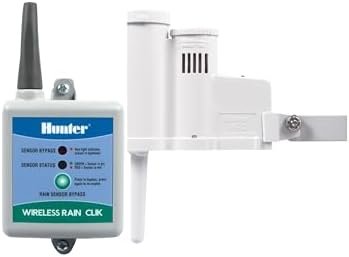
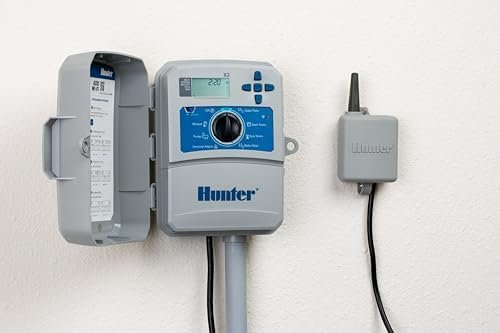
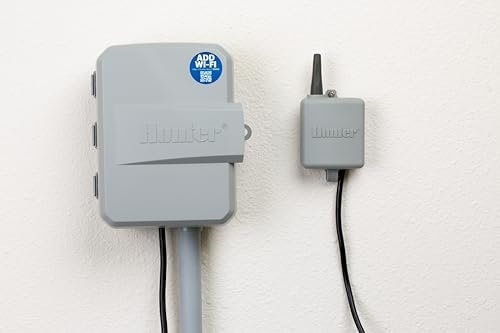
The Hunter Rain Clik WRCLIK truly shines because of its seamless integration and user-friendly design. Unlike older wired models that require trenching and difficult wiring, this wireless unit communicates directly with your existing sprinkler controller using a secure signal. Here’s a breakdown of its most impressive features:
* Wireless Communication: The system eliminates the need to run wires from the rain sensor back to the irrigation controller. This makes installation significantly faster and less invasive, especially for yards where running cables is difficult.
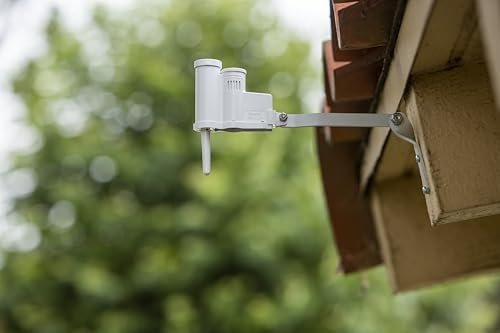
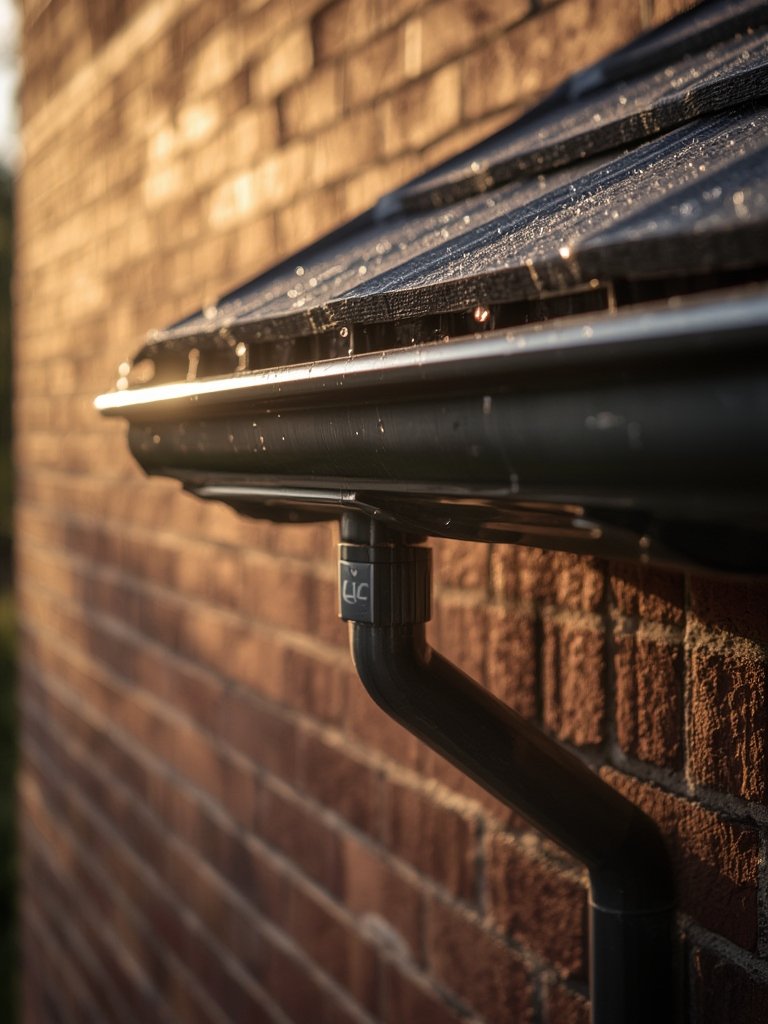
* Versatile Mounting Options: You aren’t stuck with just one placement option. The rain-click can be mounted on an eave or any flat vertical surface like a wall or fence. For those who prefer roofline installation, a gutter mount rain sensor is also available, allowing for easy installation of the Rain-Click on the edge of a gutter where rain collection is most accurate.
* Immediate Shutoff Technology: The core function is precision. The Wireless Rain-Click can command a controller to shut off right when it starts to rain, preventing the “cycle and soak” waste that plagues standard timers.
* Compatibility: One of the biggest hurdles with rain sensors is matching them to controllers. According to the Hunter Industries website, this model is designed to work with the majority of irrigation controllers on the market today, making it a versatile upgrade for almost any system.
For those interested in the science behind water conservation and irrigation efficiency, the EPA’s WaterSense program offers excellent data on why smart watering matters.
Real-World Performance Testing
Putting the Hunter Rain Clik WRCLIK through its paces revealed a few critical insights. I installed the unit on a gutter in a suburban backyard paired with a standard 6-zone sprinkler controller.
Accuracy and Responsiveness:
The device features a tipping bucket mechanism that is surprisingly sensitive. During a light drizzle that accumulated roughly 1/10th of an inch, the unit triggered the sprinkler controller shut off signal immediately. It didn’t wait for a deluge; it reacted to measurable precipitation, which is exactly what you want to save water without stressing the lawn during dry spells.
Battery Life and Reliability:
The wireless receiver relies on a 9V battery (for the transmitter) and a AA battery (for the receiver), which are easy to replace. Over the course of three months and several rain events, I didn’t experience any signal drops. The unit claims a battery life of roughly one year, which seems accurate based on usage intensity. A downside is that cold weather (below freezing) can reduce the sensor’s responsiveness, so seasonal removal is recommended in harsh climates.
Ease of Use:
There is a manual override switch on the receiver, which is a lifesaver when you want to force a watering cycle regardless of rain. User reviews consistently highlight the Hunter Industries rain click reliability compared to cheaper off-brand sensors that often fail after one season. One customer noted, “It’s been installed for two seasons now, and it has never failed to shut off my system during a storm.”
Wireless Rain Sensor System vs Competitors
When comparing the Hunter Rain Clik WRCLIK to competitors like the Orbit 58322N or the Rain Bird SNS-R2, price and features vary significantly. The Hunter model sits in the mid-to-high price range but offers superior build quality.
Price: The Hunter Rain Clik is generally more expensive than basic wired sensors but comparable to other premium wireless units.
Features: Its ability to mount on a gutter mount rain sensor setup gives it an accuracy edge over units that only mount on flat walls.
Warranty: Hunter Industries typically offers a 5-year limited warranty, which outpaces the standard 1-2 years found on budget competitors.
While generic brands might save you $10-$15 upfront, the Hunter Industries rain click is designed to last multiple seasons, making it a better long-term value for serious gardeners.
Who Should Buy a Wireless Rain Sensor System?
1. The Eco-Conscious Homeowner:
If you are looking to reduce water waste and lower your monthly water bill, this is a no-brainer. The system prevents unnecessary watering cycles, conserving thousands of gallons of water annually.
2. The Tech-Savvy Gardener:
For those who love smart home integration, this sensor acts as a critical input for your existing irrigation controller. It adds automation without the need for a completely new “smart” controller.
3. The Vacation Homeowner:
If you aren’t home to manually turn off the sprinklers during a storm, this device provides peace of mind. It prevents the dreaded “soaking the driveway” scenario while you are away.
Who Should Skip It?
If you have an incredibly small yard or only water manually with a hose, a sensor is unnecessary. Additionally, if you live in an area with heavy tree canopy coverage that blocks rain from reaching the sensor, a standard wired sensor might be more reliable than a wireless one (though the WRCLIK performs admirably).
Frequently Asked Questions
Q: How does a Wireless Rain Sensor System actually work?
A: The unit contains a hygroscopic material (or a tipping bucket mechanism) that expands or tips when wet. Once a specific amount of rain is detected, it sends a radio signal to the receiver connected to your sprinkler controller, pausing the irrigation cycle until the device dries out.
Q: Is the Hunter Rain Clik compatible with all sprinkler controllers?
A: It is compatible with most standard irrigation controllers that have a sensor input terminal. However, some “smart” Wi-Fi controllers have proprietary sensor inputs, so it’s best to check your controller’s manual or the Hunter compatibility guide before purchasing.
Q: What happens if the sensor battery dies?
A: If the battery in the transmitter fails, the system will typically default to allowing the sprinklers to run on their regular schedule. It will not prevent watering, so it’s important to check the battery status periodically (usually indicated by an LED light).
Q: Can I install a Wireless Rain Sensor System myself?
A: Yes, the Hunter Rain Clik WRCLIK is designed for DIY installation. The process usually involves mounting the transmitter, connecting the receiver to your controller’s sensor wires, and pairing the two units. No professional plumbing or electrical work is required.
Q: How much rain does it take to trigger the sensor?
A: Most units, including this one, are adjustable. You can typically set it to shut off the system after 1/4″, 1/2″, 3/4″, or 1″ of rain. This customization allows you to tailor the sensitivity to your specific landscape needs.
See more Lawn & Garden product reviews here.