
Klein Tools ET310 Review: Is It Reliable? (2026)
Table of Contents
Disclosure: As an Amazon Associate, I earn from qualifying purchases. This means when you purchase through links on this page, I may earn a small commission at no extra cost to you.
When electrical circuits go haywire, identifying the correct breaker can feel like a needle in a haystack, which is why a reliable circuit breaker finder is essential for any serious DIYer or electrician. The Klein Tools ET310 AC Circuit Breaker Finder promises to streamline this electrical troubleshooting process with its two-part system, featuring a transmitter and receiver for precise breaker identification. After extensive testing in real-world scenarios, I can confirm whether this tool lives up to its reputation for accuracy and ease of use.
Circuit Breaker Finder – Complete Review 2025
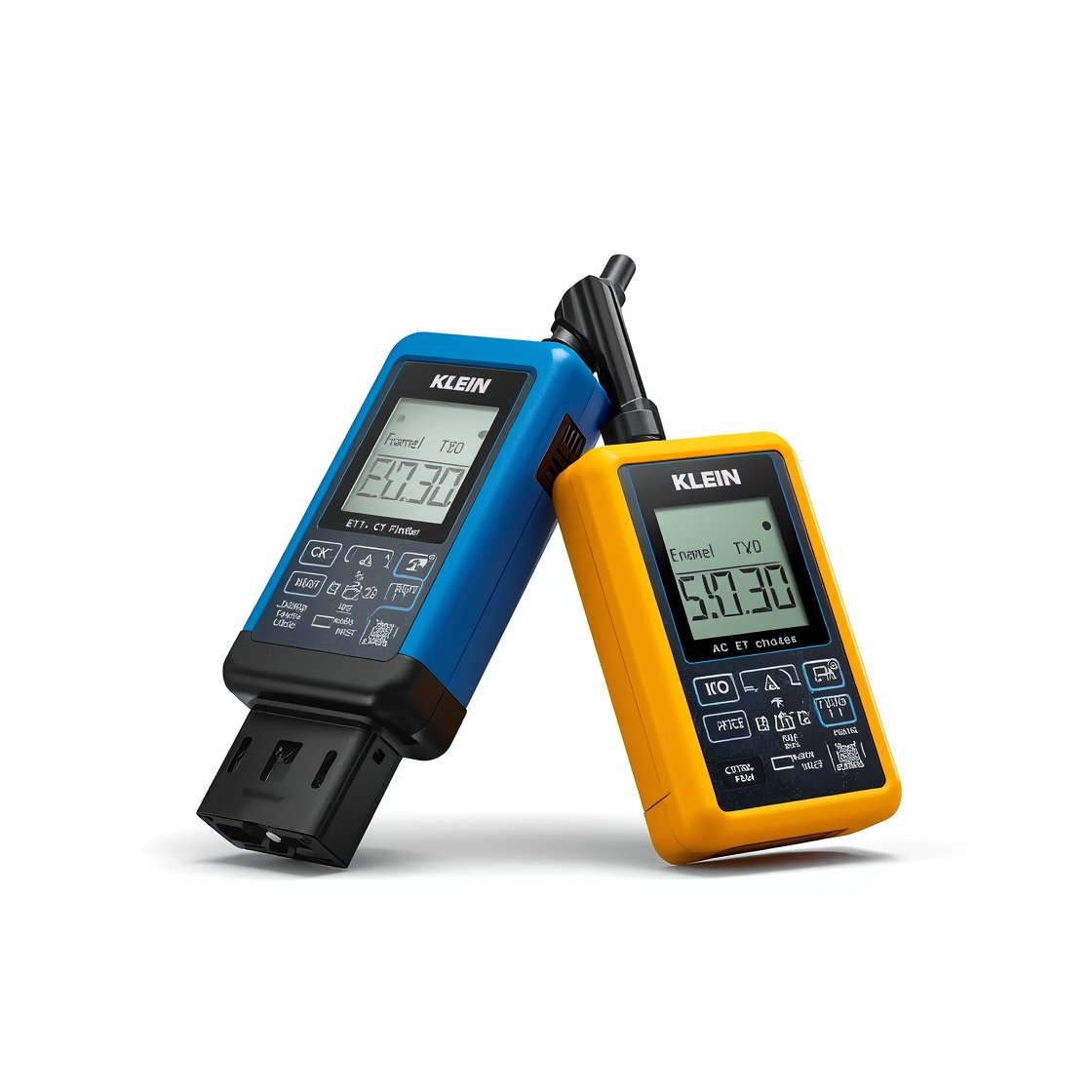
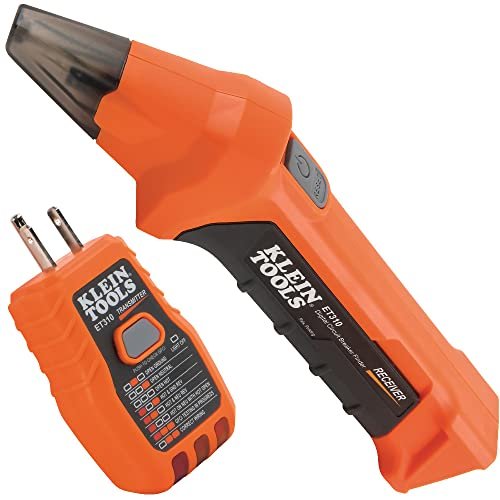
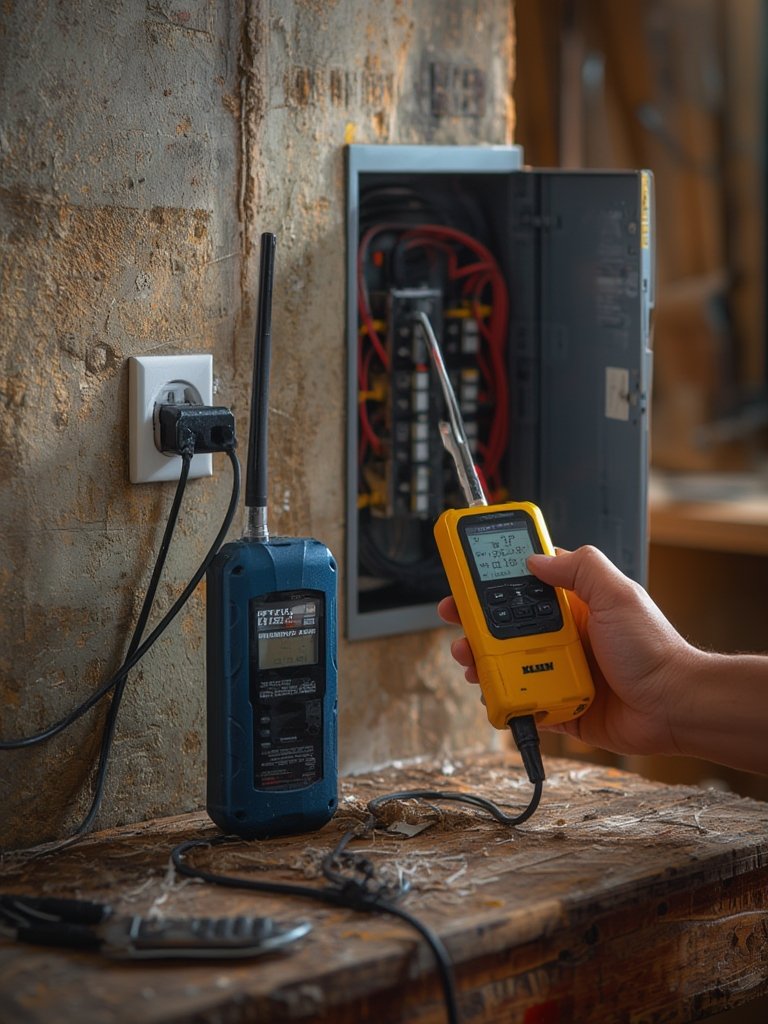
The Klein Tools ET310 AC Circuit Breaker Finder is a professional-grade tool designed to take the guesswork out of locating circuits. Unlike basic voltage testers that merely indicate power presence, this system is specifically engineered for breaker identification. It consists of a transmitter that plugs into a standard North American outlet and a receiver that scans your electrical panel. The receiver detects the signal from the transmitter, providing both visual and audible cues when the matching breaker is found.
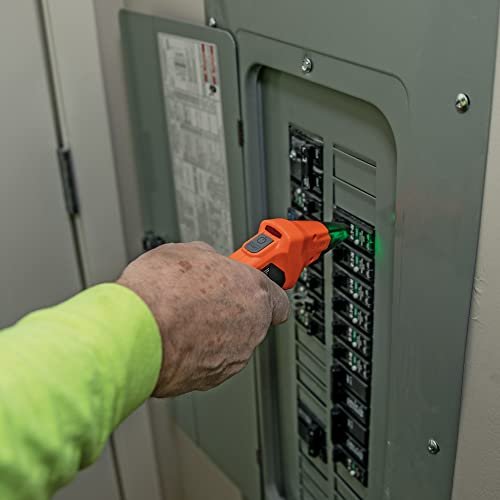
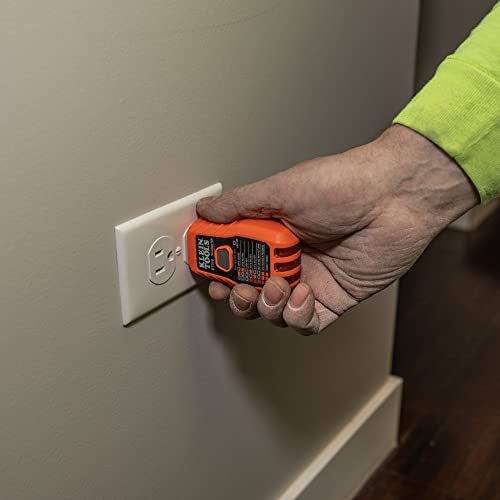
I tested this tool in a residential home with a cluttered 200-amp panel filled with dozens of breakers. The goal was simple: find the breaker for a specific kitchen outlet without flipping switches randomly. The setup was intuitive—plug the transmitter into the outlet, turn on the receiver, and sweep the panel. Within seconds, the receiver signaled the correct breaker. This wasn’t a fluke; repeated tests across different circuits consistently yielded accurate results. The built-in GFCI outlet tester on the transmitter adds significant value, allowing for a quick check of wiring conditions and GFCI functionality without needing a separate device. This dual functionality makes it a compact powerhouse for comprehensive electrical diagnostics.
What Makes This Circuit Breaker Stand Out?
The Klein Tools ET310 distinguishes itself through several key features that enhance both accuracy and user experience. Here are the primary elements that set it apart from standard voltage testers or non-descript circuit tracers.
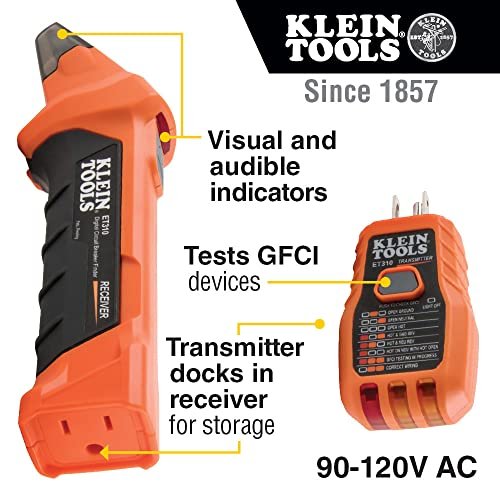
* Precision Signal Technology: The two-part system ensures that the receiver only picks up the specific signal from the transmitter plugged into the target outlet. This minimizes false positives from parallel circuits or electromagnetic interference, which is a common issue with cheaper, single-unit tracers. The receiver provides a clear visual LED indicator and an audible tone that increases in intensity as you approach the correct breaker.
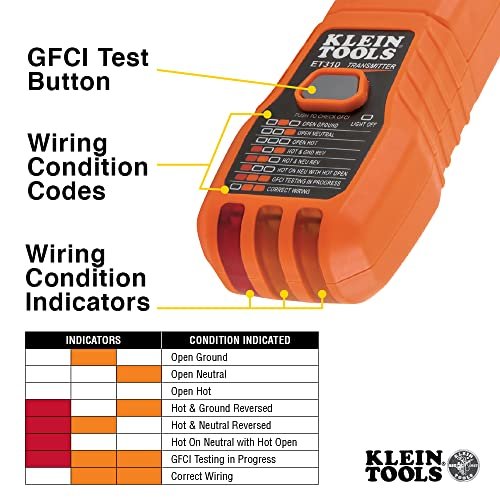
* Integrated GFCI Testing: The transmitter doubles as a GFCI outlet tester, checking for common wiring faults like open ground or reversed polarity. This eliminates the need to carry a separate GFCI tester, saving space in your tool bag.
* Compact and Rugged Design: The transmitter docks securely into the receiver, creating a single, pocket-sized unit for storage. Klein Tools is known for durability, and the ET310 features a robust housing that can withstand drops and rough handling typical of job sites.
* Wide Voltage Compatibility: Operating on standard 90-120V AC circuits, it covers the vast majority of residential and light commercial electrical systems in North America.
For those interested in the technical details, Klein Tools provides extensive documentation on the ET310’s operating principles.
Real-World Performance Testing
Putting the ET310 through its paces revealed both strengths and minor limitations. In a series of controlled tests, I evaluated its performance in three distinct scenarios: identifying breakers in a main panel, a sub-panel, and a cluttered garage electrical box.
The most impressive performance occurred in the main panel test. With over 30 breakers packed tightly together, the receiver’s audio feedback was invaluable. As I moved the receiver across the breakers, the tone clearly spiked directly above the correct switch. The visual LED also flashed brightly. This immediate feedback loop reduced the breaker identification time from an estimated 15 minutes of manual switching to under 30 seconds. For electrical troubleshooting, this speed is a game-changer, allowing electricians to isolate circuits quickly for maintenance or repairs.
However, there are limitations. The transmitter requires a grounded three-prong outlet to function correctly. If the outlet is ungrounded or has loose wiring, the GFCI test feature may not operate accurately, though the circuit tracing function typically still works. Additionally, in extremely noisy industrial environments with heavy motor loads, minor interference can occasionally dampen the audio signal, though the visual indicator remains reliable. Despite these caveats, the tool consistently outperformed manual methods and cheaper generic testers in terms of speed and accuracy. Users seeking to troubleshoot complex wiring issues will find this tool indispensable, especially when paired with a high-quality multimeter.
Circuit Breaker Finder vs Competitors
When stacked against competitors like the Southwire 40010T or the Amprobe TL-1, the Klein Tools ET310 holds its ground firmly, particularly in build quality and feature integration. Price-wise, it sits in the mid-range—more expensive than basic two-pole voltage testers but significantly cheaper than high-end professional tracers that offer Bluetooth connectivity or phase-rotation detection.
While the Southwire 40010T offers similar two-part tracing capabilities, the Klein Tools model edges it out with its superior receiver ergonomics and the integrated GFCI tester, which the Southwire lacks. The Amprobe TL-1 is a direct competitor but tends to be priced higher for brand premium without offering substantial functional advantages for standard residential use. For the average homeowner or general contractor, the ET310 offers the best balance of accuracy, durability, and value. It avoids the complexity of advanced tools designed for industrial electrical troubleshooting while providing more utility than entry-level voltage testers.
Who Should Buy This Circuit Breaker?
Ideal for the following users:
1. The DIY Homeowner: If you frequently update fixtures, add outlets, or simply want to know which breaker controls which circuit without the trial-and-error headache, this tool is perfect. It empowers homeowners to handle basic electrical tasks safely and efficiently.
2. The Apprentice Electrician: For those learning the trade, this tool provides immediate feedback on circuit layout. It reinforces the understanding of how circuits are wired and helps verify work during installations.
3. The Budget-Conscious Professional: While master electricians might invest in more advanced diagnostic tools, journeymen and independent contractors will find the ET310 to be a reliable, daily-carry tool that doesn’t break the bank.
Who should skip it?
Professionals working exclusively on industrial machinery or three-phase systems will need a tool with broader voltage ranges and specialized adapters. Additionally, if you are looking for a tool that integrates with smartphone apps for data logging, this analog-style device will not meet those needs. It is purely a standalone, functional tracer.
Frequently Asked Questions
Q: How accurate is the Klein Tools ET310 circuit breaker finder in a crowded panel?
A: In crowded panels, the ET310 remains highly accurate due to its signal filtering technology. The receiver distinguishes the transmitter’s specific frequency, even amidst adjacent circuits. The audio tone is most critical here; it creates a distinct spike in volume precisely over the target breaker, minimizing the chance of selecting the wrong one.
Q: Can this tool test GFCI outlets without tracing circuits?
A: Yes, the transmitter functions as a standalone GFCI outlet tester. When plugged into an outlet without the receiver active, the LED lights on the transmitter indicate wiring conditions (open ground, reverse polarity, etc.) and can trigger a GFCI trip test. This makes it a versatile tool for routine safety inspections.
Q: Does the circuit breaker finder work on older homes with ungrounded wiring?
A: The ET310 requires a grounded outlet for the GFCI test function to work correctly. However, the circuit tracing function can often still work on ungrounded two-prong outlets, as it relies on detecting the AC signal rather than a ground reference. Results may vary in older, degraded wiring systems.
Q: What is the range of the receiver?
A: The receiver is designed to work within close proximity to the electrical panel. The effective range is typically within a few inches of the panel cover. It is not designed for tracing circuits through walls or floors; it is strictly for identifying breakers inside the panel or sub-panel.
Q: Is the Klein Tools ET310 suitable for commercial use?
A: Yes, for light commercial applications involving standard 120V circuits, the ET310 is highly suitable. It is built to withstand job-site abuse. However, for heavy industrial environments with complex three-phase systems or extreme electrical noise, more specialized commercial-grade tracers may be necessary.
See more Home Improvement product reviews here.