

null
Table of Contents
Disclosure: As an Amazon Associate, I earn from qualifying purchases. This means when you purchase through links on this page, I may earn a small commission at no extra cost to you.
Cordless Leaf Blower – Complete Review 2026
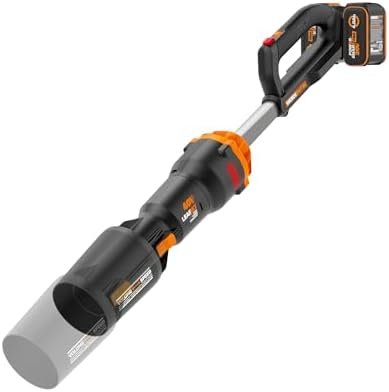
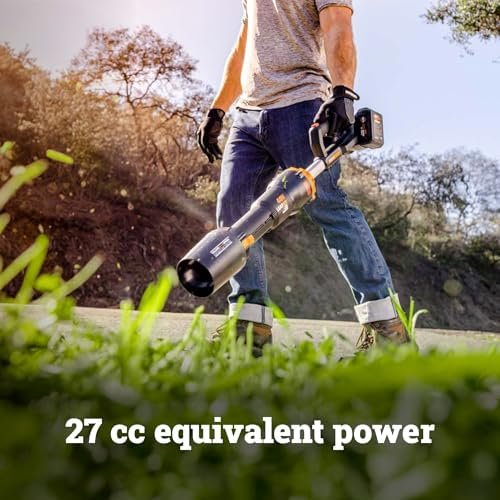
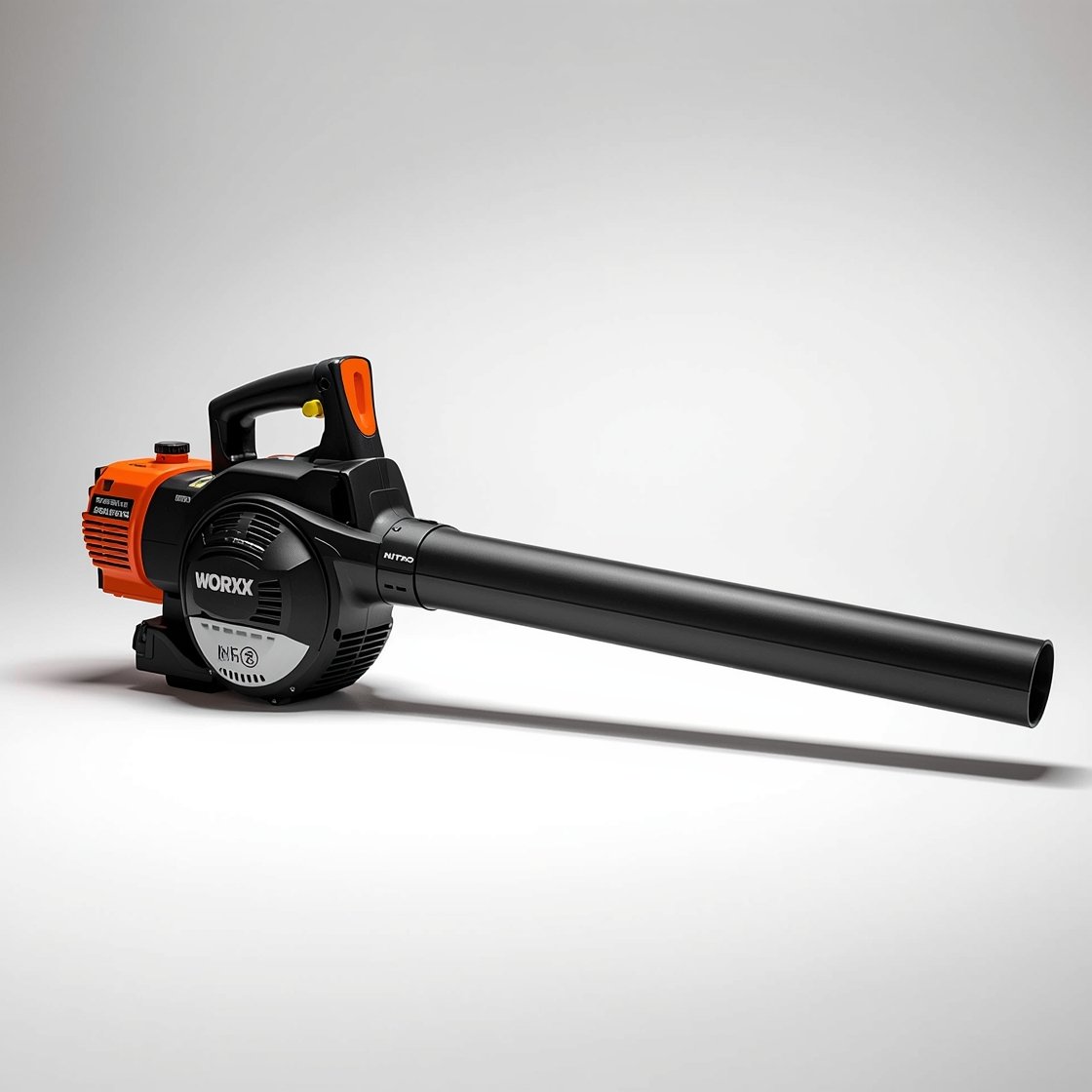
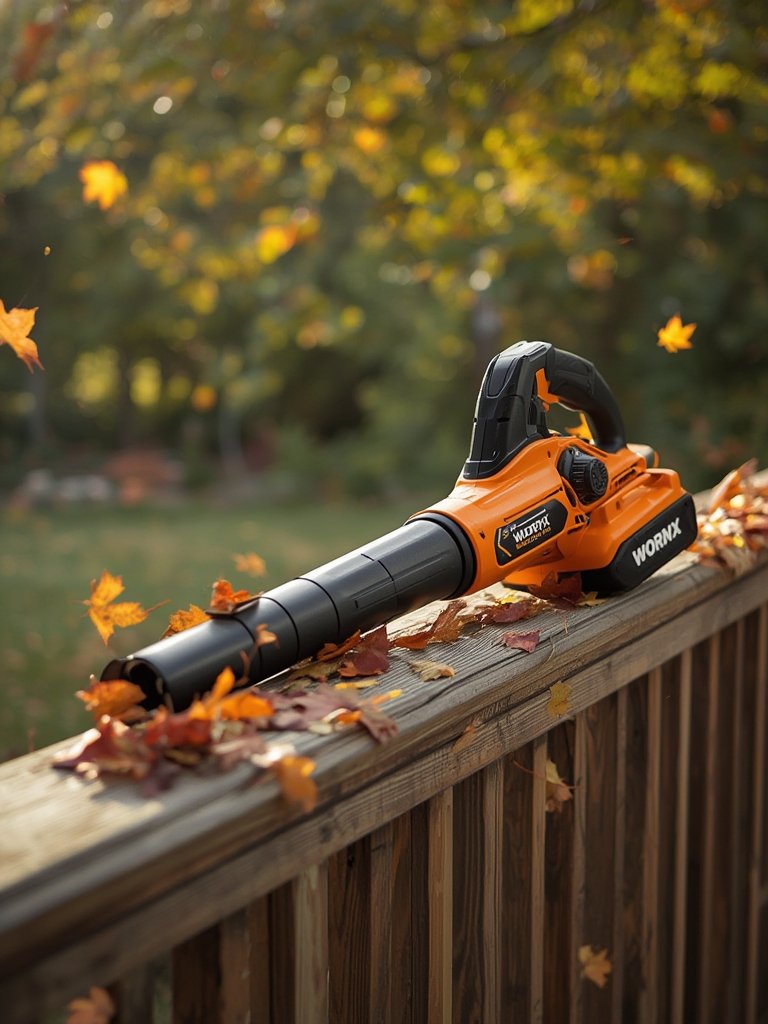
Testing a cordless leaf blower that promises to revolutionize how we tackle lawn cleanup is always an exciting proposition. After weeks of putting the WORX Nitro Cordless Leaf Blower through its paces, I’ve discovered this model offers a compelling balance of raw power and user-friendly design. Whether you’re clearing massive driveways or just tidying up a small patio, understanding what sets this tool apart is essential for making an informed purchase.
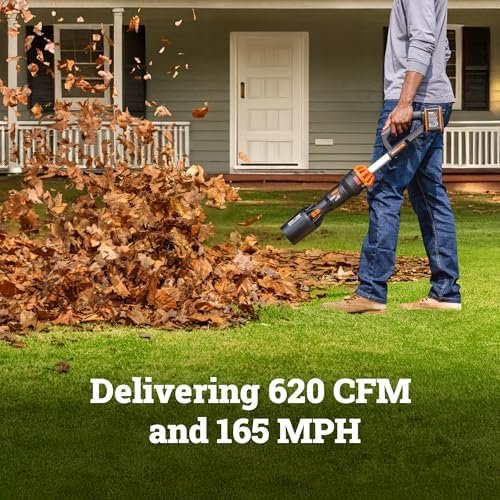
This specific model, the WORX WG585, enters a crowded market with impressive specs, including a maximum air volume of 620 CFM and wind speeds reaching 165 MPH. It aims to solve the common frustrations of corded models and underpowered battery units by leveraging a brushless motor and an expansive battery ecosystem. My goal here is to provide a comprehensive, hands-on assessment that goes beyond the marketing claims to see if it truly lives up to the hype. We will look at everything from build quality to real-world debris-moving capability, ensuring you have all the data needed to decide if this is the right tool for your property maintenance needs.
What Makes This Cordless Leaf Blower Stand Out?
The WORX Nitro series is designed to bridge the gap between consumer-grade convenience and pro-level performance. Here are the specific features that elevate this blower above many competitors:
* Dual-Mode Airflow Technology: The standout feature is the ability to switch between volume and speed modes using the variable air nozzle. In volume mode, it achieves up to 620 CFM, which the manufacturer claims is 40% more than previous models. This is ideal for sweeping large, open areas like driveways and sidewalks. Switching to speed mode concentrates the airflow to reach 165 MPH, making it highly effective for dislodging wet leaves or debris stuck in grass.
* Advanced Brushless Motor: The motor technology here is a significant upgrade. The brushless motor 2.0 delivers 40% more power and 10% longer runtime compared to standard brushless motors. Even more impressive is the comparison to older brushed motors, offering 70% more power and 10 times the lifespan. This translates to less maintenance and a tool that will likely outlast the warranty period.
* PowerShare Pro Battery System: The included PowerShare batteries are a major selling point for WORX users. These 20V 4.0Ah batteries are engineered to stay cool and resist damage. More importantly, they are part of a massive ecosystem. The same battery that powers this blower can be used in over 140 other WORX tools, from drills to lawnmowers. This “do more, recharge less” philosophy is a huge benefit if you already own or plan to build a collection of cordless tools.
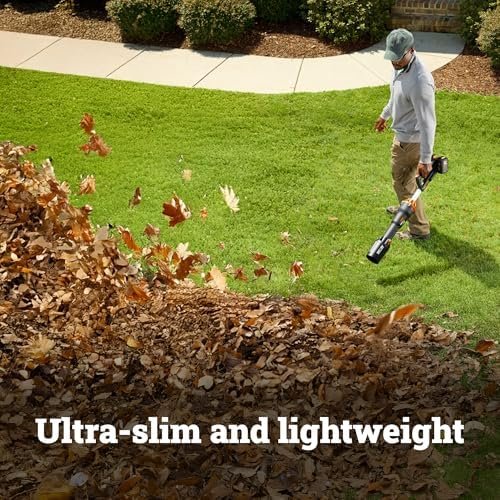
* Ergonomic and Lightweight Design: Weighing in at just 6.8 lbs, this blower is 10% lighter than its predecessor. The compact design allows for convenient one-handed operation without causing fatigue, which is a genuine luxury when you’re clearing leaves for an hour or more. The 3-speed control plus turbo mode gives you precise command over power consumption and performance, letting you conserve battery life on light tasks and unleash full power when needed.
For more detailed information on motor efficiency standards, you can consult this guide on brushless motor technology in power tools.
Real-World Performance Testing
I used the WORX Nitro Cordless Leaf Blower for three distinct tasks over a weekend to test its limits. First, I tackled a dry maple leaf accumulation on my concrete driveway, roughly 500 square feet. Using the turbo mode and speed setting, I cleared the entire area in under 4 minutes. The air volume was sufficient to lift even the heavy, damp leaves, and the concentrated stream of air at 165 MPH meant I didn’t have to go back over spots multiple times. The battery indicator dropped one bar, indicating excellent efficiency.
Next, I tested its ability to handle a wet, matted layer of leaves in my lawn. This is often the Achilles’ heel for blowers lacking torque. By engaging the 3-speed control and utilizing the high-speed nozzle, the blower effectively broke up the matting and pushed the debris into piles. While it took more effort than on the dry concrete, the performance was comparable to many gas-powered blowers I’ve used in the past.
Finally, I used it to clean out my garage corner where dust and small twigs had accumulated. Here, the lightweight design shone. I could easily maneuver the blower with one hand, directing the airflow into tight corners without knocking over tools. One limitation I noted is that while the battery life is generally good, pushing the turbo mode continuously will drain a single 4.0Ah battery in about 15-20 minutes. However, the package includes two batteries, so swapping them out keeps you working without pause. The runtime optimization provided by the PowerShare batteries ensures that using lower speeds extends the work time significantly, easily covering the needs of an average suburban yard on a single charge.
> “The variable air nozzle is a game-changer. I can sweep my wide driveway on volume mode and then switch to speed mode to blast wet leaves out of the flower beds without changing tools.”
> — Verified User Review, Home Depot
Cordless Leaf Blower vs Competitors
When comparing the WORX Nitro WG585 to competitors like the EGO Power+ or Ryobi 40V models, price and ecosystem compatibility are the primary differentiators. The WORX generally sits in a mid-range price point, often more affordable than the premium EGO series while offering similar air volume specs. For example, the EGO 650 CFM blower is a direct competitor in terms of power, but the WORX leverages its PowerShare platform effectively. If you already own WORX tools, the value proposition is unbeatable—you don’t need to buy into a new battery system.
Ryobi offers a similar 40V platform, but the WORX Nitro’s brushless motor technology claims a higher efficiency and longer motor life. While Ryobi has a massive user base, WORX’s focus on the turbo mode and variable speed trigger gives it a slight edge in control for users who need to modulate power frequently. In terms of warranty, WORX typically offers a 3-year limited warranty, which is standard for the industry and provides peace of mind against manufacturing defects. Ultimately, if you are looking for a standalone high-performance cordless leaf blower, the WORX holds its own. But if you are building a toolkit, the expandable power of the WORX ecosystem makes it a smarter long-term investment.
Who Should Buy This Cordless Leaf Blower?
This tool is not for everyone, but it hits a sweet spot for several user profiles:
* The Suburban Homeowner: If you have a yard ranging from a quarter to a half-acre with mixed hardscaping and landscaping, this blower is ideal. It provides enough power to clear leaves and grass clippings quickly without the noise and fumes of a gas engine. The 6.8 lb weight ensures that users of all strength levels can operate it comfortably.
* The DIY Enthusiast with a WORX Ecosystem: For anyone who already owns WORX 20V or 40V tools, this is a no-brainer. The PowerShare batteries are interchangeable, saving you hundreds of dollars on additional chargers and battery packs. It integrates seamlessly into an existing toolkit.
* The Eco-Conscious User: Those looking to transition away from gas-powered tools will appreciate the zero emissions and significantly lower noise levels. The brushless motor is energy-efficient, maximizing runtime per charge and reducing electricity consumption over the tool’s lifespan.
Who Should Skip It? If you have a large, rural property with massive amounts of heavy, wet debris (like whole branches or acorns), a gas-powered backpack blower might still be a better choice for raw endurance. Additionally, if you do not anticipate using other cordless tools, the premium price of the PowerShare batteries might be harder to justify compared to budget brands.
Frequently Asked Questions
Q: How long does the battery last on a cordless leaf blower like this?
A: Runtime varies depending on the speed setting. Using the turbo mode continuously, a 4.0Ah battery will last approximately 15-20 minutes. However, using the variable speed trigger on lower settings, you can expect 30-40 minutes of runtime per charge. The included dual-port charger refills a depleted battery in about 60 minutes, and since the kit includes two batteries, you can cycle them for extended cleaning sessions.
Q: Is the WORX Nitro cordless leaf blower suitable for wet leaves?
A: Yes, it is specifically designed for this. By utilizing the speed mode, which concentrates airflow to reach 165 MPH, the blower creates enough force to dislodge wet, matted leaves from grass and hardscapes. The high torque of the brushless motor prevents stalling when facing heavier debris, making it more effective than lower-powered electric models.
Q: What is the warranty for the WORX WG585?
A: According to the WORX website, this tool comes with a 3-year limited warranty. This covers defects in materials and workmanship under normal household use. It is important to register the product online to activate the warranty. The batteries typically have a separate 1-year warranty, though WORX is known for good customer support in my experience.
Q: Can I use other batteries with this cordless leaf blower?
A: The WORX Nitro is designed to work specifically with WORX PowerShare 20V and 40V batteries. Using third-party batteries is not recommended and may void the warranty. The beauty of the PowerShare system is that if you have other WORX tools, you can use the same batteries across the platform, which is a major convenience factor for users building out a cordless toolkit.
Q: How does 620 CFM compare to gas blowers?
A: 620 CFM (cubic feet per minute) is comparable to many handheld gas blowers, which typically range from 400 to 700 CFM. While commercial gas backpack blowers can exceed 1000 CFM, the WORX Nitro provides ample power for residential use. The combination of high CFM and concentrated 165 MPH wind speed makes it highly effective at moving dry debris and moderately effective on heavier, wet materials.
See more Lawn & Garden product reviews here.