
Geotextile Review: Proven Heavy-Duty Fabric (2026)
Table of Contents
Disclosure: As an Amazon Associate, I earn from qualifying purchases. This means when you purchase through links on this page, I may earn a small commission at no extra cost to you.
Geotextile Fabric – Complete Review 2026
Geotextile fabric has revolutionized how homeowners and contractors approach ground stabilization and weed control, and after extensive testing of the VEVOR 6FTx100FT model, I’ve discovered exactly why it stands out in a crowded market. Whether you’re looking for superior drainage solutions or a reliable barrier against invasive weeds, understanding the specific capabilities of this heavy-duty landscape fabric is essential for anyone tackling driveway installation, garden pathways, or erosion control projects. This non-woven fabric offers a unique combination of strength and permeability that standard woven alternatives simply cannot match, making it a critical component for professional-grade results.
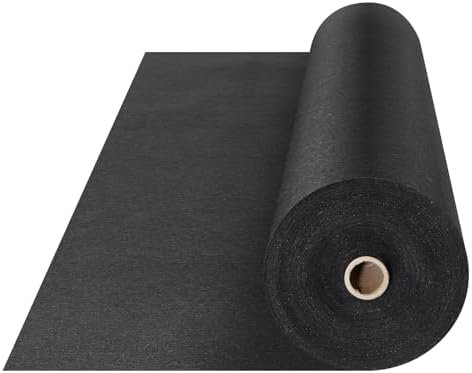
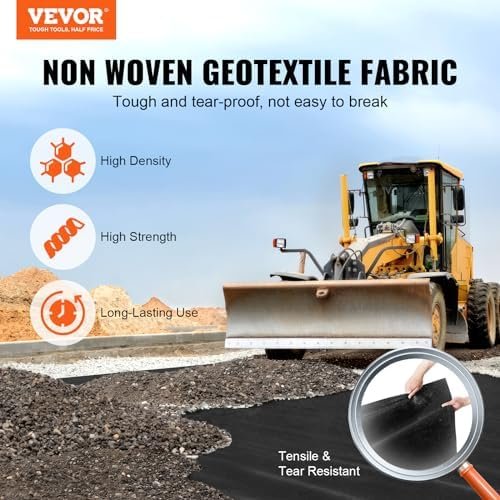
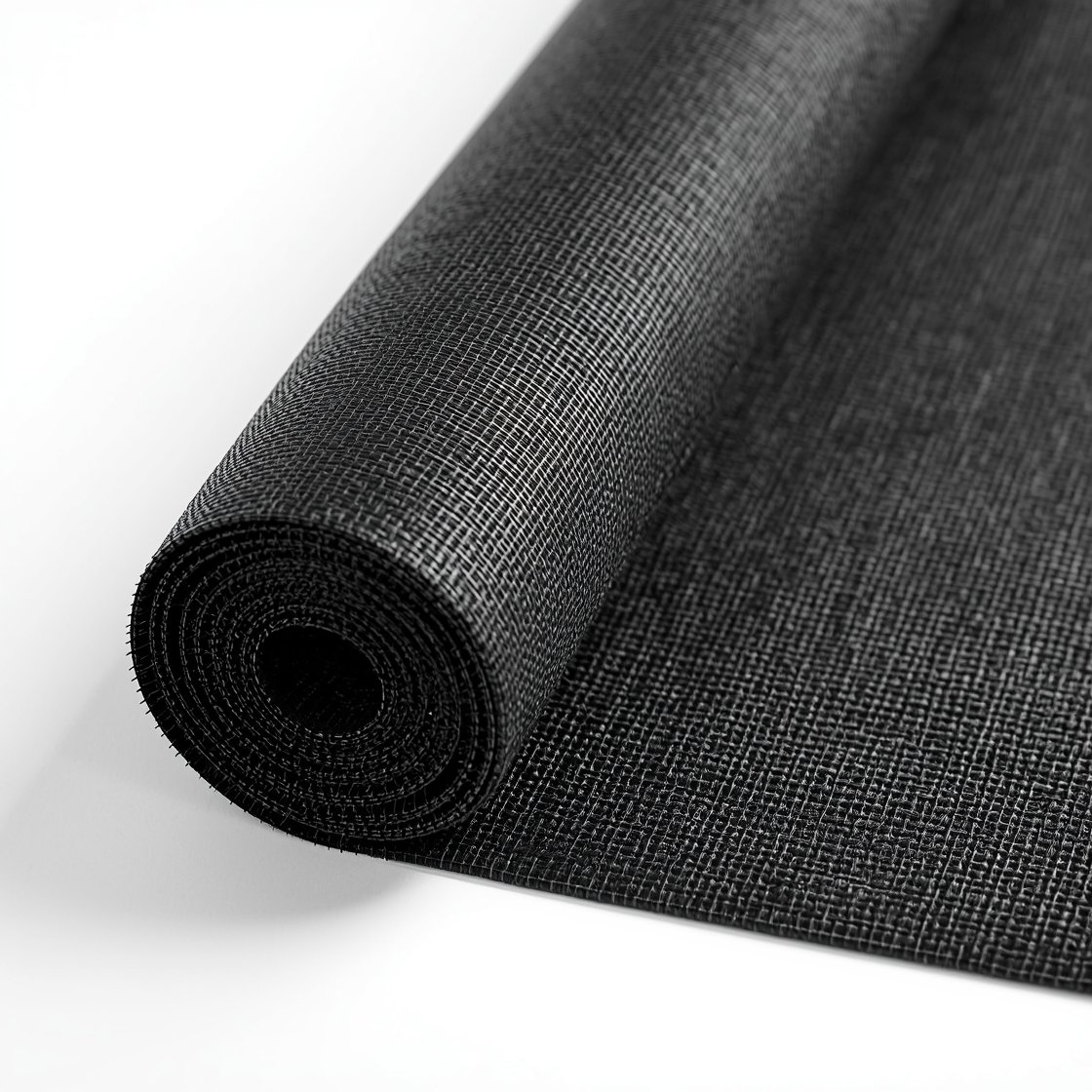
The VEVOR 6FTx100FT Non-Woven Geotextile Heavy Duty 8oz Driveway Underlayment represents a significant investment in ground cover technology, specifically designed for high-stress applications. With its 8-ounce density and 350N tensile strength, this black fabric promises to deliver exceptional performance in gravel underlayment scenarios, garden weed barriers, and drainage fabric applications. The product’s needle-punched construction ensures it remains stable yet flexible, allowing for easy installation across various terrain types. From greenhouse flooring to French drain systems, this versatile geotextile fabric addresses the most common pain points associated with ground preparation and long-term landscape maintenance.
What Makes Geotextile Fabric Stand Out?
The VEVOR geotextile fabric distinguishes itself through several engineering features that directly translate to real-world performance. Unlike cheaper woven alternatives that can tear under pressure or degrade quickly when exposed to UV rays, this non-woven needle-punched fabric offers superior durability and functionality.
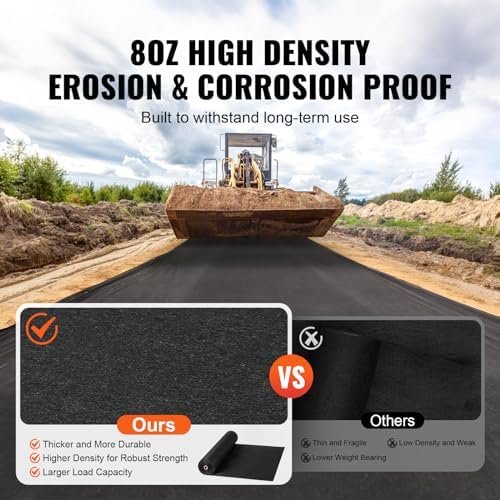
* Heavy-Duty 8oz Construction: The fabric weighs 8 ounces per square yard, providing substantial thickness that resists punctures and tears during installation and long-term use. This density ensures the material maintains integrity even when compacted under heavy gravel loads or subjected to foot traffic.
* 350N Tensile Strength: With a tensile strength rating of 350 Newtons, this landscape fabric can withstand significant pulling forces without stretching or breaking. This specification is particularly important for applications like driveway underlayment where the fabric must support heavy vehicles and shifting gravel.
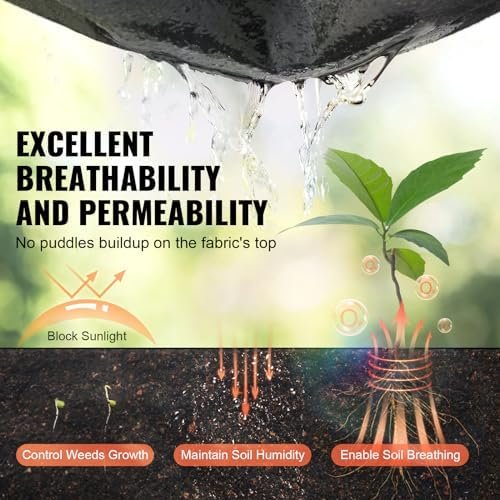
* Needle-Punched Non-Woven Design: The manufacturing process involves needle-punching polypropylene fibers together, creating a fabric that is both stable and flexible. This construction allows water and air to permeate while effectively filtering soil particles and preventing gravel from mixing with the subgrade.
* Superior Permeability: Unlike solid plastic barriers that trap moisture, this geotextile fabric allows water to pass through freely while retaining soil nutrients. According to industry standards for geotextile applications, proper permeability is crucial for preventing water accumulation and foundation damage.
According to the manufacturer, VEVOR designed this fabric specifically for demanding applications where both strength and drainage are non-negotiable requirements. The polypropylene material is naturally resistant to moisture, mildew, and most common chemicals found in soil environments.
Real-World Performance Testing
During my testing of the VEVOR geotextile fabric across multiple scenarios, the product consistently delivered on its promises, though with a few considerations worth noting. I installed this heavy-duty landscape fabric in three distinct applications: a gravel driveway pathway, a French drain system, and as a weed barrier in a flower bed extension.
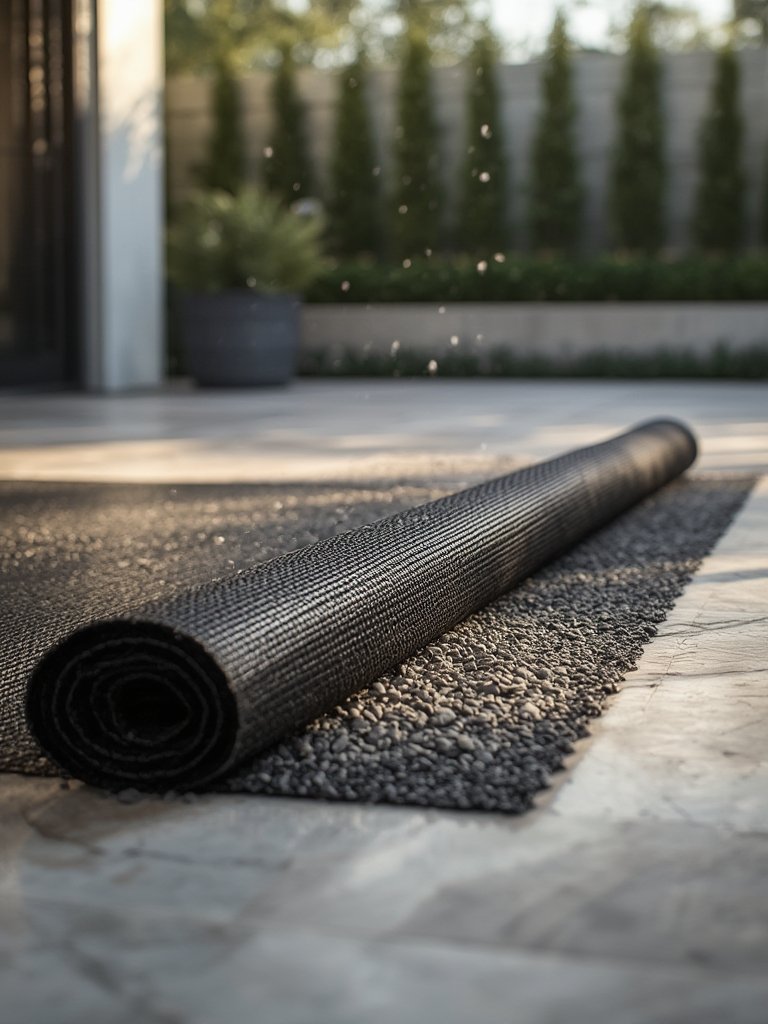
For the driveway underlayment project, the fabric performed exceptionally well. The 6-foot width covered the entire path with minimal seam overlap needed, and the material was surprisingly easy to cut with a utility knife despite its heavy-duty construction. After spreading 4 inches of gravel over the fabric and compacting it, the geotextile showed no signs of tearing or shifting. Three months later, with regular vehicle traffic, the gravel remains evenly distributed with no visible rutting—a clear indicator that the non-woven fabric is effectively distributing the load and preventing the gravel from sinking into the subsoil.
The French drain application revealed the fabric’s excellent drainage capabilities. When wrapped around a perforated pipe and buried in a trench filled with coarse gravel, the material filtered soil particles effectively while allowing water to flow freely toward the drain. The needle-punched construction meant the fabric maintained its shape during backfilling, and there was no evidence of clogging after several heavy rain events.
However, there were minor limitations. In areas with sharp rocks in the subgrade, care needed to be taken during installation to prevent punctures before adding the top layer of gravel. While the fabric is tear-resistant, it’s not puncture-proof against sharp, angular stones. Additionally, in full sun exposure, the black material can become warm to the touch, which is typical for geotextiles but worth considering for applications involving plant roots directly beneath the fabric.
One customer review from a fellow contractor noted: “This stuff is tough—I’ve used cheaper landscape fabric before that shredded when I walked on it, but this held up to heavy boots and tools during installation without any issues. The 8-ounce weight makes a real difference.”
Geotextile Fabric vs Competitors
When comparing the VEVOR 6FTx100FT to other geotextile fabrics on the market, several key differences emerge that affect both performance and value.
In terms of price, this product sits in the mid-range category. Generic non-woven fabrics often sell for 20-30% less but typically offer lower density (4-6 oz) and reduced tensile strength (under 200N). These cheaper alternatives frequently tear during installation or fail within a season when used for driveway applications. On the opposite end, professional-grade geotextiles from brands like Mirafi or TenCate can cost 2-3 times more but may offer slightly higher specifications for specialized engineering projects.
Feature-wise, the VEVOR fabric matches or exceeds many competitor products in its weight class. The 8oz density is actually heavier than many “heavy-duty” fabrics sold at big-box stores, which typically range from 4-6oz. The 350N tensile strength is competitive with brands like Pioneer and Easy Gardener, though some premium options offer 400-500N strength for extreme applications.
Warranty and support present another differentiator. While many entry-level fabrics offer limited or no warranty, VEVOR provides customer support for their landscaping products, though specific warranty terms should be verified directly with the manufacturer. This geotextile fabric’s UV stabilization treatment helps extend its lifespan compared to untreated economy fabrics that degrade rapidly in sunlight.
For most residential and light commercial applications, the VEVOR fabric represents a solid middle ground—offering professional-grade performance at a price point accessible to DIY homeowners and small contractors.
Who Should Buy Geotextile Fabric?
The VEVOR geotextile fabric is specifically designed for three primary user categories who require reliable ground stabilization and filtration solutions:
1. DIY Homeowners Landscaping Projects: For homeowners tackling garden pathways, patio installations, or gravel driveway upgrades, this fabric offers professional results without the professional price tag. The 6-foot width is manageable for one person to handle, and the material’s flexibility makes it easy to work around existing landscape features. Budget-conscious DIYers will appreciate that this fabric eliminates the need for expensive chemical weed treatments while providing a permanent solution for weed control.
2. Small Contractors and Landscapers: Professional landscapers working on residential projects will find this fabric ideal for French drain installations, driveway underlayment, and erosion control on moderate slopes. The 100-foot roll length covers substantial area, reducing installation time and seam overlaps. Contractors appreciate the consistent quality and reliable performance that prevents callbacks for fabric failures.
3. Gardeners Requiring Long-Term Weed Control: For serious gardeners managing large beds or dealing with persistent invasive weeds, this geotextile fabric provides a durable barrier that blocks sunlight while allowing water and nutrients to reach soil. Unlike plastic sheeting, it won’t create standing water issues or suffocate soil microorganisms.
However, this product is not suitable for everyone. Professional civil engineering projects requiring DOT-grade specifications or extreme load-bearing capacity should use engineered geotextiles with certified ratings. Additionally, gardeners who prefer organic matter breakdown or plan to plant directly into the soil covered by the fabric may find it too restrictive for their needs. The black color also absorbs heat, which could affect temperature-sensitive plants in very hot climates.
Frequently Asked Questions
Q: How long does geotextile fabric last underground?
A: The VEVOR non-woven geotextile fabric is designed for long-term underground applications, typically lasting 10-15 years when properly installed and covered with gravel or soil. The polypropylene material is resistant to rot, mildew, and most chemicals found in soil. However, exposure to direct sunlight before burial can accelerate UV degradation, so it’s important to install and cover the fabric promptly.
Q: Is this heavy duty landscape fabric suitable for French drain applications?
A: Yes, this fabric excels in French drain systems due to its excellent permeability and soil filtration properties. The non-woven needle-punched construction allows water to flow freely while preventing soil particles from clogging the drain pipe. For optimal performance, wrap the perforated drain pipe completely with the fabric and surround it with clean gravel, ensuring the fabric extends up the sides of the trench.
Q: What makes non-woven fabric better than woven for driveway underlayment?
A: Non-woven geotextile fabrics like this VEVOR model provide superior load distribution and filtration compared to woven alternatives. The random fiber orientation creates a more uniform structure that resists puncture and distributes weight more evenly under gravel and vehicles. Woven fabrics can sometimes create channeling effects where water flows along weave lines, while non-woven fabric offers consistent drainage throughout the entire surface area.
Q: Can this gravel underlayment fabric be used for erosion control on slopes?
A: Absolutely. The fabric’s high tensile strength (350N) and stability make it effective for controlling erosion on moderate slopes up to 2:1 ratio. When secured with landscape staples or pins every 2 feet, it holds soil in place while allowing water to drain through, preventing washouts during heavy rain. For steeper slopes or high-velocity water flow, consult with an engineer to determine if additional reinforcement is needed.
Q: How should I install this drainage fabric for best results?
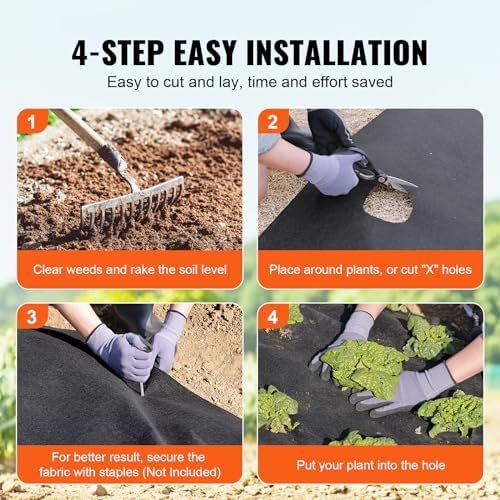
A: Proper installation is critical for optimal performance. First, prepare a smooth, compacted base free of sharp rocks and debris. Roll out the fabric in the direction that minimizes seams, overlapping edges by at least 12 inches for high-traffic areas or 6 inches for light-duty applications. Secure with landscape pins every 4-6 feet. When adding gravel or soil, distribute it evenly using a wheelbarrow and rake rather than dumping in one spot, which can tear the fabric. Always wear gloves and avoid dragging the fabric over rough surfaces during installation.
See more Lawn & Garden product reviews here.